The Complete Guide to Lithuanian Honey Varieties
Discover the unique characteristics of Lithuanian honey varieties including polyfloral, rapeseed, and linden honey. Learn about their distinctive flavor profiles, commercial applications, and the strict quality standards that make Lithuanian honey highly sought after in European wholesale markets.
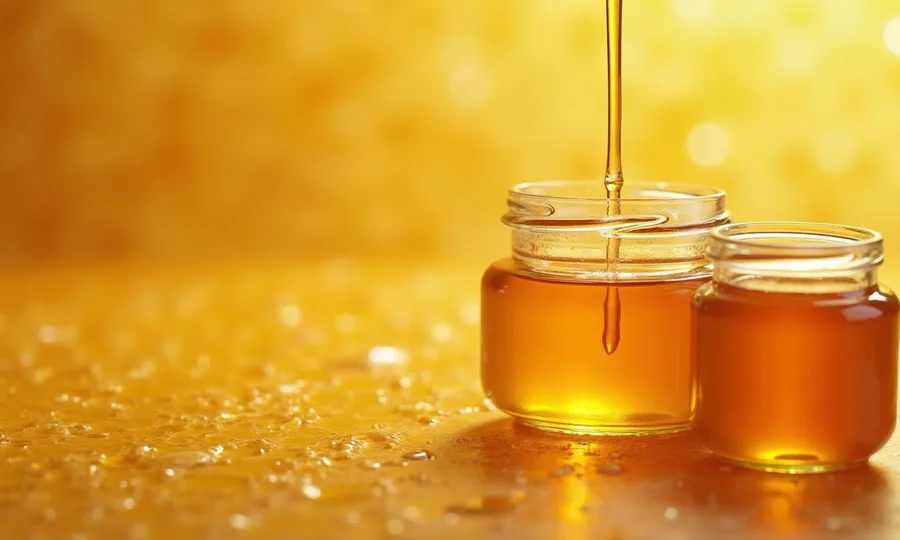
Premium Lithuanian honey varieties ready for wholesale distribution
Lithuanian honey represents some of Europe's finest bee products, with our pristine forests and agricultural landscapes producing exceptional varieties that command premium prices in wholesale markets across the European Union. Our country's unique geographical position, combined with centuries of traditional beekeeping expertise, creates honey varieties that are both distinctive in character and consistently high in quality.
Polyfloral Honey: The Crown Jewel of Lithuanian Apiaries
Polyfloral honey from Lithuania's mixed meadows offers complex floral notes that make it perfect for premium retail markets. This variety captures the essence of Lithuania's diverse flora, including wildflowers, herbs, and forest blossoms that bloom throughout the extended growing season. The resulting honey displays a rich amber color with flavor notes ranging from delicate floral to robust herbal undertones.
Commercial applications for Lithuanian polyfloral honey are extensive. Premium food manufacturers seek it for artisanal products, while health food retailers value its diverse nutritional profile. The complex flavor makes it ideal for gourmet applications, specialty teas, and high-end confectionery products. Wholesale pricing typically ranges from €4.20-4.80 per kilogram, depending on harvest quality and market conditions.
Rapeseed Honey: Industrial Excellence
Lithuanian rapeseed honey provides consistent crystallization ideal for industrial applications. This light-colored honey, harvested from Lithuania's extensive rapeseed fields, offers predictable properties that food manufacturers depend on for consistent product quality. The fine, creamy texture after crystallization makes it perfect for spreading applications and baking ingredients.
The industrial value of rapeseed honey lies in its uniform composition and reliable crystallization patterns. Food processors use it in breakfast cereals, energy bars, and commercial baking operations where consistent sweetness and texture are crucial. The honey's mild flavor doesn't overpower other ingredients, making it versatile for large-scale food production.
Linden Honey: The Therapeutic Powerhouse
Linden honey, harvested from our abundant lime trees, delivers distinctive medicinal properties valued by health-conscious consumers across the EU. This specialty variety, available only during specific bloom periods, commands premium prices due to its limited availability and recognized therapeutic benefits.
The unique properties of linden honey include natural antibacterial compounds, respiratory health benefits, and calming effects that make it highly sought after in nutraceutical markets. European health food distributors consistently request larger quantities than we can supply, creating excellent market opportunities for wholesale partners.
Quality Standards That Set Us Apart
Lithuanian honey production operates under some of Europe's most stringent quality standards. Our moisture content consistently measures 17-18%, well below the EU maximum of 20%, ensuring extended shelf life and preventing fermentation. Every batch undergoes comprehensive testing for antibiotic residues, heavy metals, and adulterants.
Traceability documentation accompanies every wholesale shipment, including harvest location GPS coordinates, floral source identification, and complete chain of custody records. This level of documentation ensures smooth customs clearance and meets the strictest EU import requirements.
Seasonal Availability and Market Timing
Understanding seasonal availability is crucial for wholesale planning. Rapeseed honey becomes available in early June, offering the year's first premium harvest. Polyfloral honey reaches peak quality in mid-July, while linden honey's limited harvest window occurs in late July to early August.
Market timing significantly impacts pricing and availability. Spring harvests command 15-20% premiums due to superior quality and limited supply. Advance contracting ensures supply security while offering price advantages typically 10-15% below spot market rates.