Bee Pollen vs Bee Bread: Nutritional Powerhouses Compared
Understand the significant differences between fresh bee pollen and fermented bee bread in terms of bioavailability, shelf life, and therapeutic applications. Critical insights for nutraceutical and supplement manufacturers sourcing premium bee products.
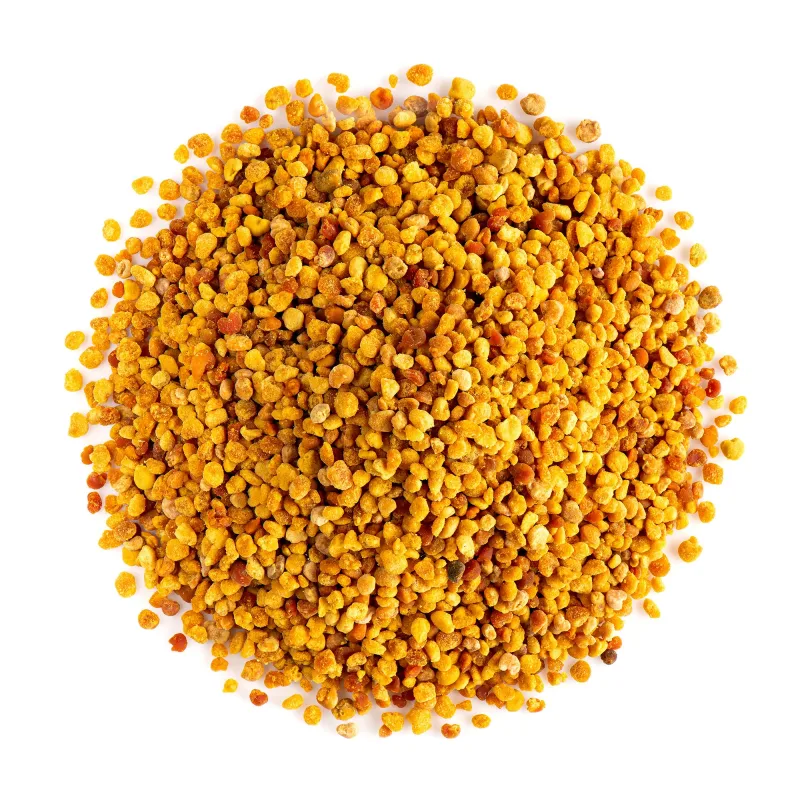
Fresh Bee Pollen
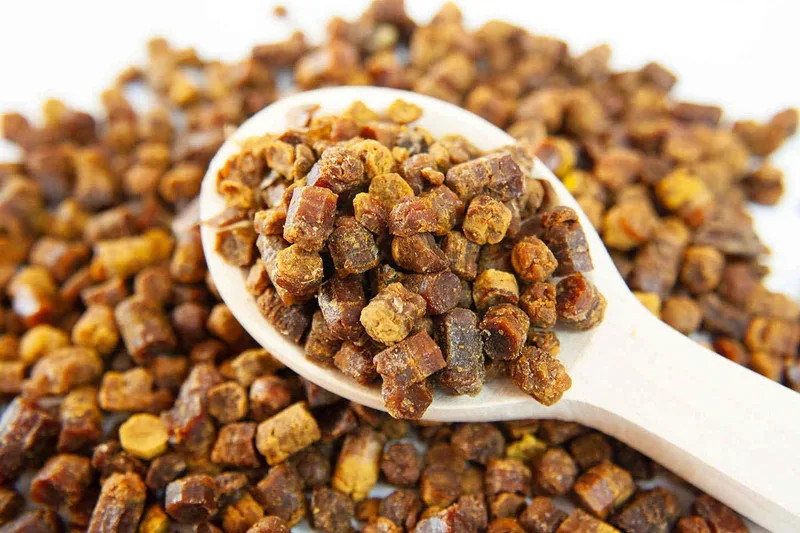
Fermented Bee Bread
Bee pollen and bee bread represent two distinct nutritional powerhouses from the hive, each offering unique advantages for human health and commercial applications. Understanding their differences is crucial for nutraceutical manufacturers, supplement formulators, and health-conscious consumers seeking optimal therapeutic benefits.
The Fundamental Difference: Fresh vs Fermented
Fresh bee pollen consists of raw pollen granules collected directly from returning forager bees, while bee bread represents the same pollen after undergoing lactic acid fermentation within the hive. This fermentation process, facilitated by beneficial bacteria and enzymes, transforms the pollen's nutritional profile and bioavailability characteristics.
The fermentation process breaks down complex proteins into more readily absorbed amino acids, increases vitamin content, and creates probiotic compounds not present in fresh pollen. This biological transformation occurs over 2-3 weeks in optimal hive conditions, requiring specific temperature and humidity parameters that Lithuanian apiaries naturally provide.
Bioavailability: The Critical Advantage
Bee bread offers superior bioavailability compared to raw pollen due to lactic acid fermentation, which pre-digests proteins and increases nutrient absorption by 60-80%. The fermentation process breaks down pollen's tough outer shell (exine), making nutrients more accessible to human digestive systems.
Research demonstrates that amino acid absorption from bee bread occurs within 30-45 minutes of consumption, compared to 2-3 hours for fresh pollen. This enhanced bioavailability makes bee bread particularly valuable for therapeutic applications requiring rapid nutrient delivery and maximum potency.
Nutritional Profile Comparison
Fresh Bee Pollen
- • Protein: 20-25%
- • Free amino acids: 8-12%
- • Vitamins: B-complex, C, E
- • Enzymes: 95+ different types
- • Shelf life: 6-12 months frozen
- • Digestibility: 45-60%
Fermented Bee Bread
- • Protein: 25-30%
- • Free amino acids: 18-25%
- • Vitamins: Enhanced B-complex, K2
- • Probiotics: 10⁶-10⁸ CFU/g
- • Shelf life: 2-3 years ambient
- • Digestibility: 85-95%
Commercial Applications and Market Segments
Fresh pollen works better for direct consumption products, sports nutrition, and applications where the natural flower essence and vibrant colors are desired. Its visual appeal and immediate recognition make it suitable for retail health food markets and consumer-facing products.
Bee bread excels in therapeutic applications requiring maximum potency, pharmaceutical-grade supplements, and products targeting specific health conditions. Its extended shelf life and enhanced bioavailability make it ideal for encapsulation, tablet formulation, and clinical applications where consistent therapeutic effects are essential.
Probiotic Properties and Gut Health
Lithuanian bee bread contains higher concentrations of beneficial bacteria, including Lactobacillus and Bifidobacterium species, with colony counts reaching 10⁶-10⁸ CFU per gram. These probiotics support digestive health, immune function, and nutrient absorption beyond the bee bread's intrinsic nutritional value.
The probiotic component differentiates bee bread from other bee products and most commercial supplements. This natural fermentation creates a synbiotic effect where prebiotics from pollen feed the beneficial bacteria, creating a self-sustaining ecosystem that supports gut health long after consumption.
Processing and Quality Considerations
Fresh pollen requires immediate freezing and careful moisture control to prevent spoilage and maintain nutritional integrity. Processing must minimize heat exposure and oxidation while ensuring microbial safety for human consumption.
Bee bread's natural preservation through fermentation reduces processing requirements while extending shelf life. Our Lithuanian bee bread maintains nutritional potency for 2-3 years at ambient temperature, reducing cold storage costs and simplifying distribution logistics for wholesale customers.
Pricing and Market Dynamics
Fresh bee pollen typically trades at €12-18 per kilogram wholesale, while premium bee bread commands €25-35 per kilogram due to enhanced bioavailability and processing complexity. The price differential reflects both the additional processing time and superior therapeutic value.
Market demand for bee bread continues growing among nutraceutical manufacturers seeking differentiated products with clinically proven benefits. Limited availability and specialized harvesting requirements ensure stable pricing and strong profit margins for quality suppliers.